Pollinators
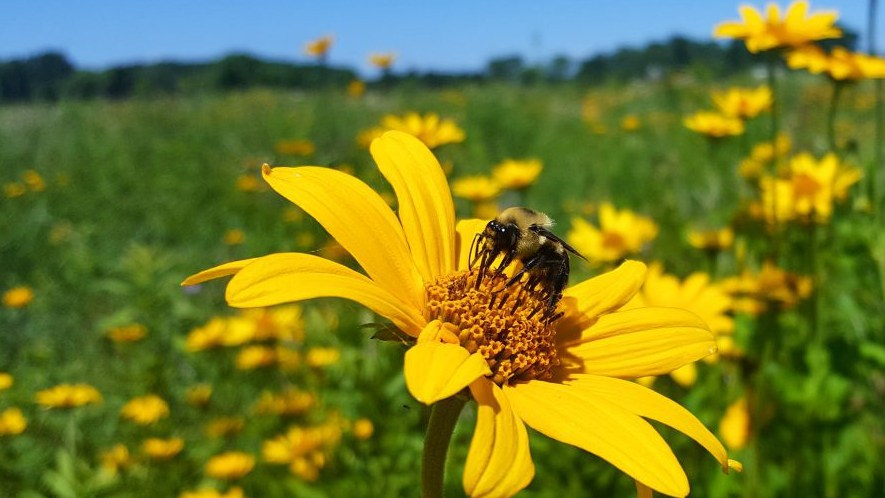
Pollinators are essential to the function of terrestrial ecosystems and provide us with valuable pollination services. We investigate basic and applied questions in ecology to help understand what limits the abundance and distribution of species and how we can use this information to effectively conserve pollinators.
Machine learning
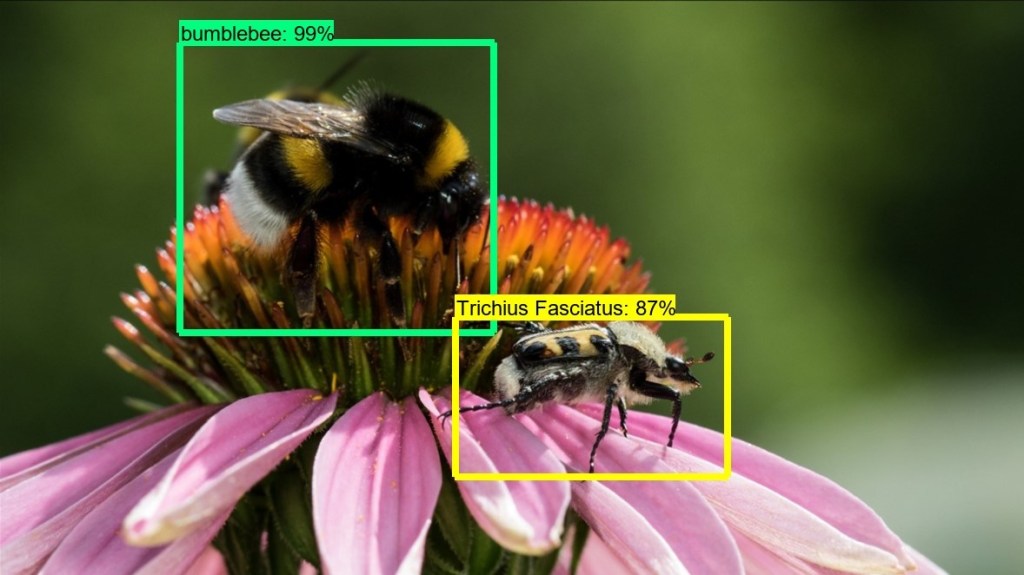
One of the biggest challenges for pollinator ecology and conservation is identifying the subjects of our research. We are developing leading edge techniques in computer vision to detect and classify bees in images and video. We are putting these algorithms to work with BeeMachine, a citizen science project for research and large scale data collection.
Land cover change
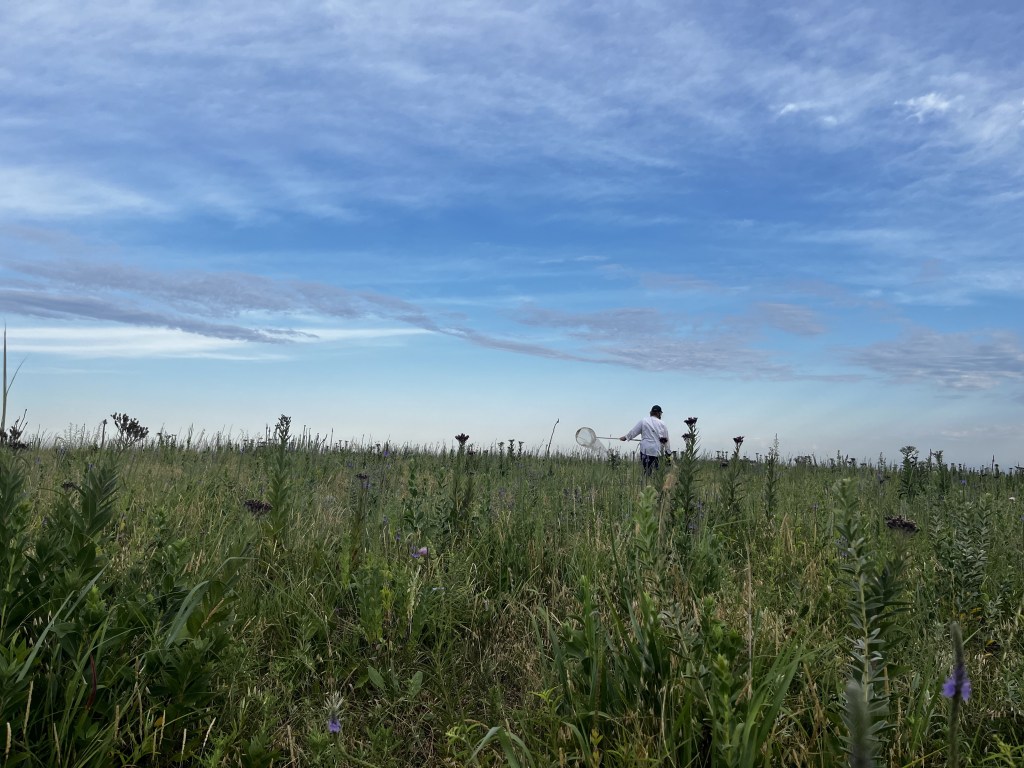
The earth’s ecosystems are being transformed by human activities and the resultant loss of wild lands is the leading threat to biodiversity. We use large- and small-scale experiments, observational studies, and mathematical modeling to understand the consequences of habitat loss for biodiversity and ecosystem function and to find ways to mitigate loss through sustainable land use.
Ecological networks
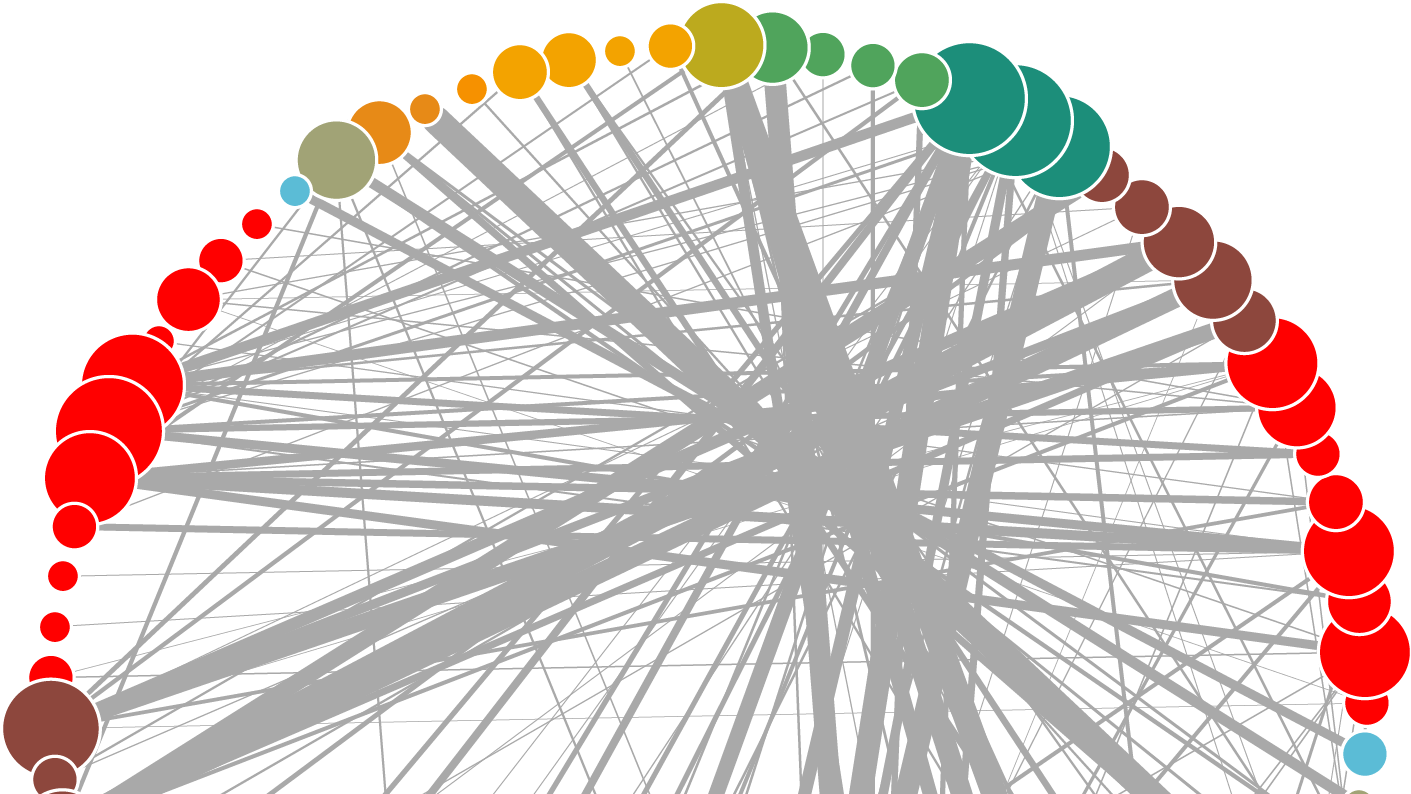
Complex systems, like ecological communities, can be represented as networks of interconnected species. As networks grow and change, special properties emerge that can tell us about system stability and function. We study ecological interaction networks to reveal how communities are assembled, how species coexist, and resilience to disturbance.
 POLLINATOR LAB